What to Expect During a Network Cabling Installation in Boise
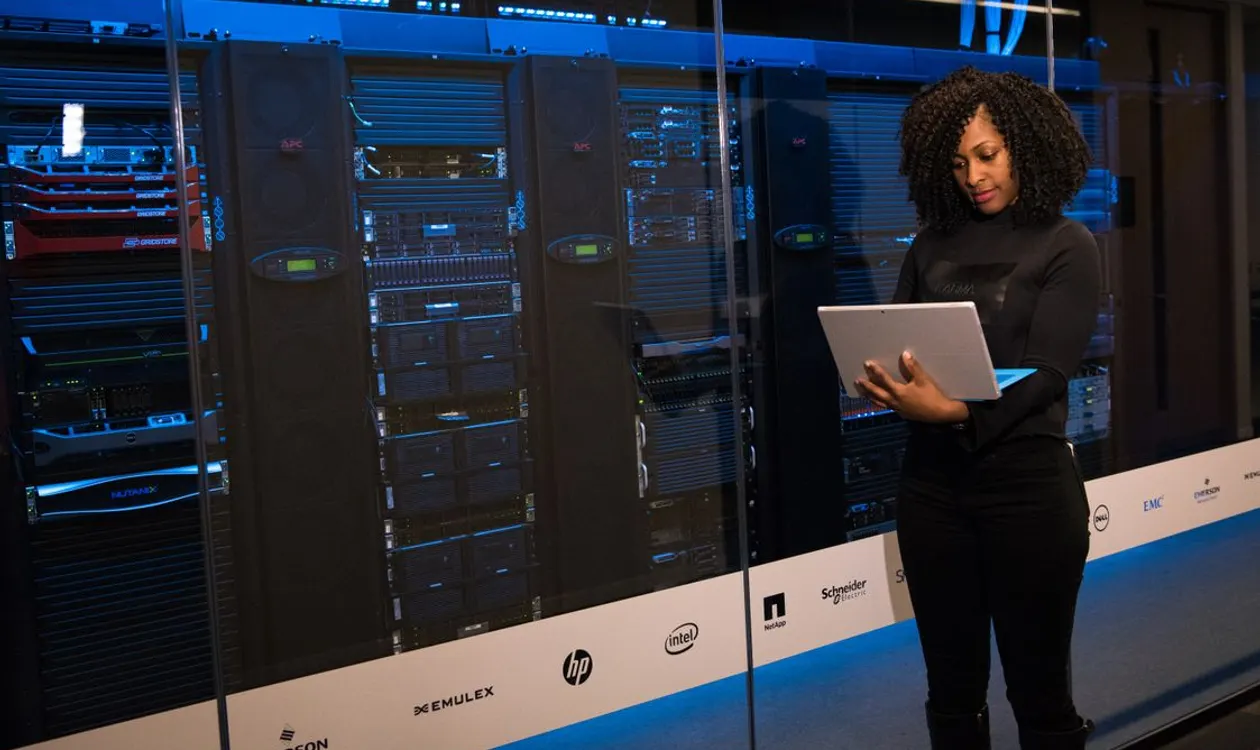
Understanding the network cabling installation process helps Boise businesses prepare for their project and set realistic expectations. From initial consultation to final certification, here's what you can expect when working with professional cabling contractors in the Treasure Valley.
Phase 1: Initial Consultation and Assessment
Every successful cabling project begins with a thorough understanding of your business needs and existing infrastructure. This phase typically takes 1-2 weeks and includes several important steps.
Site Survey and Requirements Analysis
- Detailed walkthrough of your Boise facility
- Assessment of current network infrastructure
- Discussion of business requirements and growth plans
- Identification of potential installation challenges
- Measurement and documentation of cable pathways
Phase 2: Design and Planning
Based on the site survey, our team creates a comprehensive design that meets your current needs while allowing for future expansion. This phase ensures your structured cabling system will serve your business effectively for years to come.
Design Documentation
- Detailed floor plans with cable routes
- Equipment rack layouts and specifications
- Cable schedules and labeling systems
- Material specifications and quantities
Project Planning
- Installation timeline and milestones
- Coordination with other contractors
- Permit applications and approvals
- Material ordering and delivery scheduling
Phase 3: Installation Execution
The installation phase is where your network infrastructure takes shape. Professional contractors follow systematic procedures to ensure quality and minimize disruption to your Boise business operations.
Week 1: Infrastructure Preparation
- Installation of cable trays and pathways
- Equipment rack mounting and positioning
- Coordination with building management
- Safety setup and workspace preparation
Week 2-3: Cable Installation
- Backbone cable installation (fiber and copper)
- Horizontal cable runs to work areas
- Cable pulling and routing through pathways
- Temporary labeling and organization
Week 3-4: Termination and Finishing
- Patch panel and outlet terminations
- Equipment connections and cross-connects
- Final cable management and dressing
- Installation of faceplates and covers
Phase 4: Testing and Certification
Comprehensive testing ensures your network will perform as designed. This critical phase validates the installation and provides documentation for warranty coverage.
Testing Procedures
Copper Cable Testing
- • Continuity and wire mapping
- • Length and propagation delay
- • Near-end crosstalk (NEXT)
- • Return loss and insertion loss
Fiber Optic Testing
- • Optical power and loss measurements
- • OTDR trace analysis
- • Connector inspection and cleaning
- • End-to-end link verification
Phase 5: Documentation and Handover
Professional installation includes comprehensive documentation that helps with future maintenance and modifications. You'll receive:
- As-built drawings: Updated plans showing actual cable routes and connections
- Test reports: Certification results for every cable and connection
- Cable schedules: Complete listing of all cables with labels and destinations
- Warranty documentation: Coverage details and contact information
- Maintenance guidelines: Recommendations for ongoing care
Timeline Expectations for Boise Projects
Project timelines vary based on scope and complexity, but typical Boise installations follow these general timeframes:
Small Office
10-25 drops
1-2 weeks
Medium Business
25-100 drops
2-4 weeks
Large Enterprise
100+ drops
4-8 weeks
Minimizing Business Disruption
Professional contractors work to minimize impact on your daily operations through careful scheduling, after-hours work when necessary, and phased installations that maintain connectivity throughout the project.
Ready to Start Your Cabling Project?
Our experienced team manages every aspect of your network cabling installation, from initial planning through final certification. We ensure your Boise business gets reliable, high-performance network infrastructure with minimal disruption.